Definition: Facilitating collaboration within and between organizations through effective design and application of collaborative methods of data gathering and diagnosis, organizational learning and communication techniques.
Many ideas grow better when transplanted into another mind than the one where they sprang up.
Oliver Wendell Holmes
Sample Work
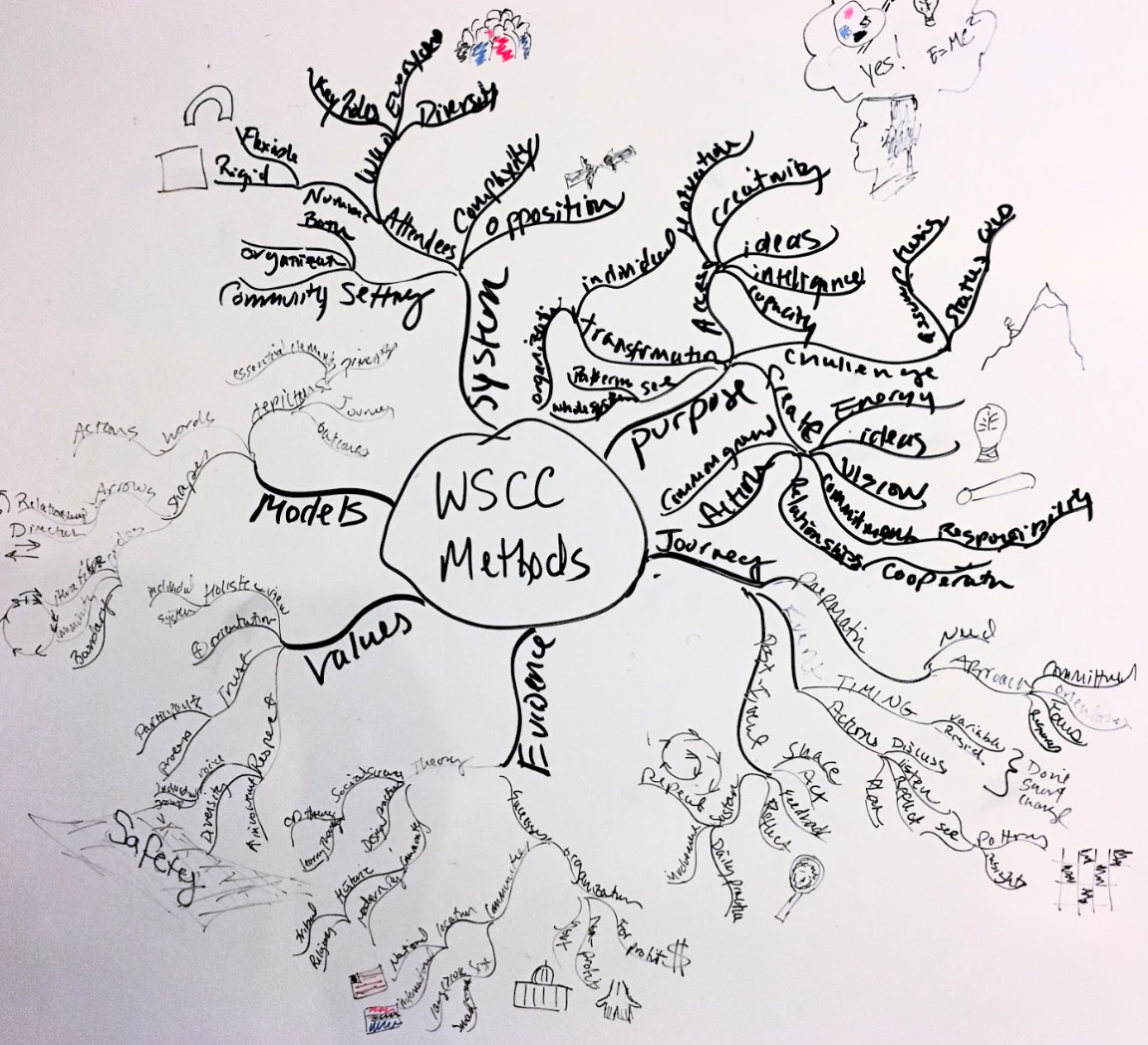
Collaborative Method Mind Map
Collaborative Method Mind Map: The mind map I created was the result of a thorough analysis of eight whole system collaborative change methods using the following criteria: Type of System where the method can be used, Purpose and intended outcomes for employing the method, the Journey or process to prepare, facilitate and follow-up, Evidence for the impact they produce on a system, the share Values and Behaviors needed for the method to be successful and the Model or diagram for how the method functions. Based on that analysis, themes emerged about where, how and the impact that these methods share. A significant theme for me is that all of the methods I reviewed harness the human spirit and collective intelligence of a system. Additionally, many of the values were aimed at creating a safe environment for people to explore and share their thoughts and encourage relationship building. For a more in-depth analysis, please see my video: Mind Map Report
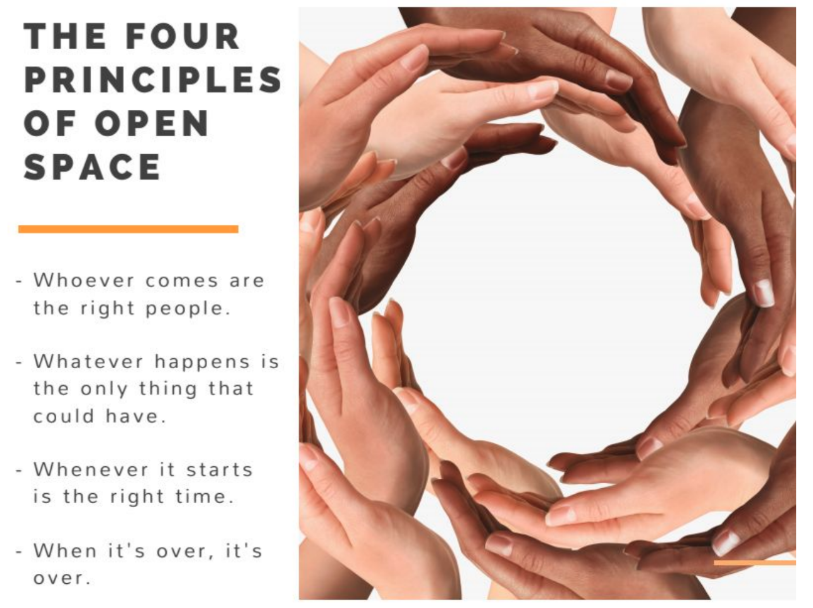
Open Space Technology Method Intervention
Open Space Technology Method Intervention: In ORGD 6015 we had the opportunity to facilitate a collaborative method of our choosing with a small group. I selected the Open Space team to learn more about the method. Due to its rather loose nature, I was curious how the method would work. Our team reviewed best practices from openspaceworld.org to support our preparation and the site had everything we needed to successfully implement the event. To view our full plan of implementation, click here: Open Space Method Pre-Event Report
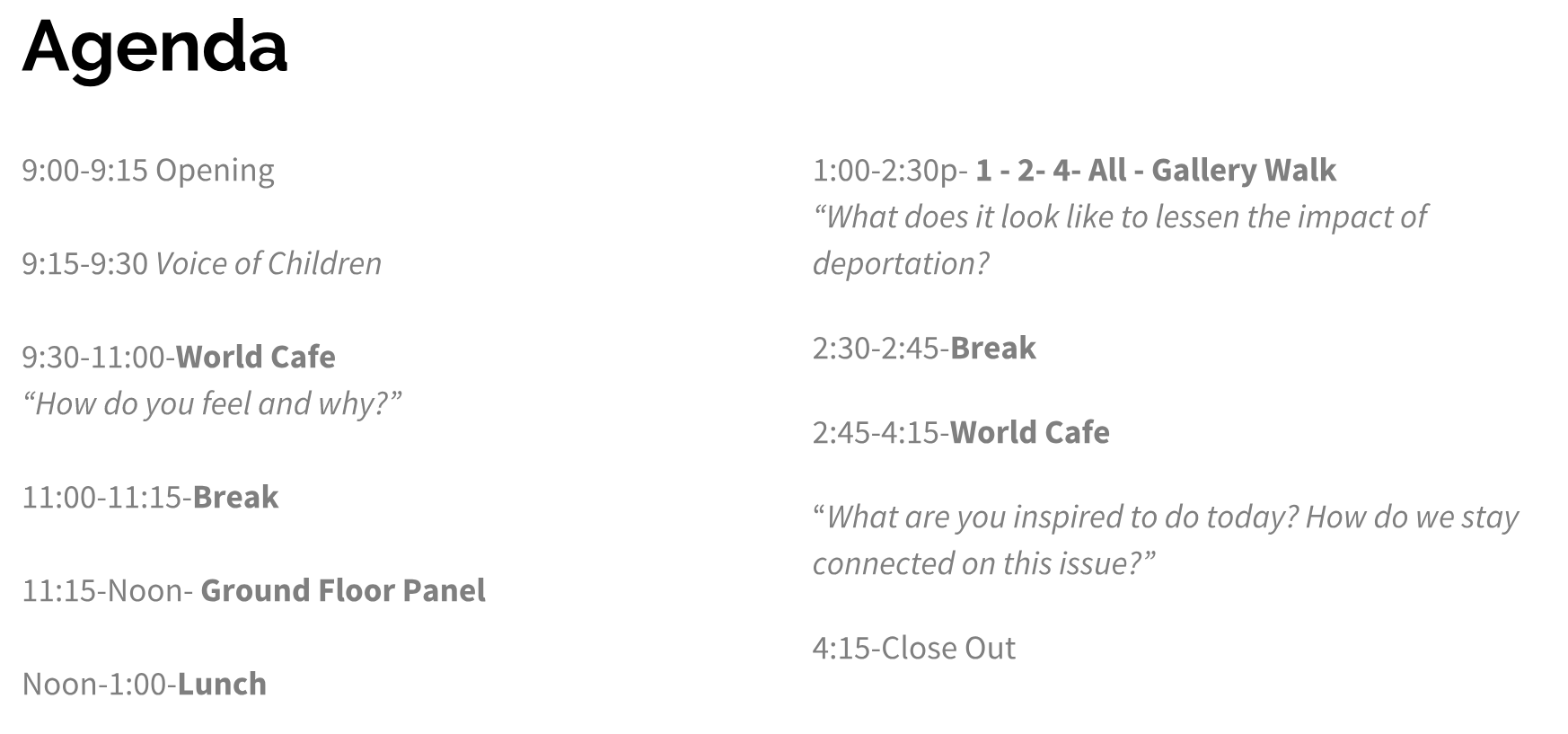
Collaborative Event Design
Collaborative Event Design: The agenda design was formulated for a Northwest Ohio based community organization that was focused on decreasing the impact of deportation on children. Working with this client had a profound effect on our cohort given that we had an experience with a fellow cohort made who was faced with deportation. We had an opportunity to meet the client that morning, conduct an appreciative interview to understand their vision and then approximately an hour to design a 1-day collaborative event. The energy in our team was amazing and we created well-thought out event in record time. While we did not ‘win’ the competition, we learned a lot about team decision making and how different methods blend together to create a cohesive plan. To see the full proposal click here: Collaborative Event Design Blend
EMOD Experience
This competency, like so many of the others in our EMOD competency model is one that has been continually addressed through almost all of our coursework. Beginning in ORGD 6010 with our introduction to GlobalTech and thinking about how to get the organization back on track through the application of Kotter’s change model, to learning about and applying various whole system collaborative change methods in ORGD 6015, and applying those prior learnings to our Dialogic and Diagnostic team assignment in ORGD 6040 and our capstone experience. All of these learnings have had a profound impact on how I think about the change process and in understanding the importance of involving the entire system throughout various stages of a planned change. I feel that my competence and confidence in this competency has grown exponentially and I am now sought out as a go-to resource in my organization.
In-Class Work: Very early on in our EMOD experience, we had the opportunity to examine GlobalTech and the significant change that organization was going through. From the very start of the program, it was a great way to explore the impact of siloed thinking, insufficient communication and failing to bring the entire system into the change process. In our final exam for ORGD 6010, in questions 3 (Discuss how you would assist GlobalTech in transforming their culture and question, pp. 13-19) and 4 (Design a change process to support school district with strengthening partnerships between the business community and the schools, pp. 19-30) I emphasized the importance of collaboration in both of these scenarios in order to successfully carry out change using various interventions throughout the change process to incorporate all voices to create readiness for the change.
In ORGD 6015 we were exposed to the concept of whole-system collaborative change methods through The Change Handbook (Homan, Devane & Cady, 2007). While the number of options available was daunting at first, the process of analyzing and cataloging these methods in our MindMap presentation project helped me recognize that one size does not fit all and helped me to identify the patterns as to when one might apply one method versus another. A particularly crystalizing moment of the mind-map process was thinking about using these methods to access the collective wisdom of the organization. For some reason there is still such a hierarchical and paternalistic bent in many organizations that frames how the executives and leaders must protect the rest of the organization from the challenges of change and ‘figure it out’ behind closed doors. Hearing about and seeing the impact of these collaborative change methods helped me to change my frame in how I look at the change process.
Again, what I have absolutely loved about the EMOD program, and something that would be much more challenging to do in a completely online format is the fact that we not only learned about whole system collaborative change methods, but we also had an opportunity to facilitate, experience and recommend the methods through various assignments. In our Method Experience Assignment, we broke into small groups and designed an experience for our fellow cohort mates selecting one of the collaborative methods. I was part of the Open Space Technology team and we dug deep into the Open Space world online to find best practices to design our event (documented in our Pre-Event Report) to ensure that we were operating from a place of comfort and strength. I found the experience to be fascinating to see how effectively our method, as well as the various methods selected by other groups worked. We documented what actually happened during the event, including the data gathered and the impact to the system (e.g. the 2019 EMOD cohort) in our Open Space Post-Event Report. Granted, we had at our disposal an eager and willing group of people. However, I will say that I have applied a number of the change methods, particularly the Liberating Structures (Lipmanowicz & McCandless, YEAR) in my work context and noticed a similar energy and engagement from the participants. What that tells me is these methods work!
An additional assignment where we fully embraced the collaborative process was our Dialogic – Diagnostic team assignment, collaborating with the whole cohort to conduct our data gathering and system intervention, collaborating across different stakeholder groups to gather data through interviews and survey methods, and designing a collaborative event drawing upon the methods we learned through the program to that point. Our data collection process utilized appreciative interviews (Dialogic Team AI Interview Guide), borrowing heavily from the Appreciative Inquiry (AI) 4-D process, tying our interview questions to the various phases of AI. Our Event Design Agenda and presentation allowed us to explore mixing and matching different Liberating Structures in order to increase energy in the room, allow opportunity to synthesize the data shared, develop action steps to move forward and to reflect on whether we accomplished our goals of the project. While our invited guests did not attend the event, our team maintained a dialogic mindset, flexing to what was happening in the moment. I must say that designing and facilitating that session increased my comfort with creating an agenda that has a logical sequence, using the appropriate type of method based on the session objectives, as well as adjusting on the fly. In fact, fairly recently, I was working with one of my client groups and they had been sitting for quite some time doing a number of reflective exercises and I sensed the need for something to energize the group. Based on the various interventions we have participated in or facilitated throughout EMOD, I was able to make a quick adjustment employing the impromptu networking structure to the topic at hand and the energy in the room shifted dramatically and my co-facilitator thanked me for the modification.
All of these previous experiences with various methods, theories and techniques for increasing collaboration in order to effectively bring about change have been tremendous support in preparing for our capstone project with our non-profit client. From the start of the relationship with the client, our team has made deliberate efforts to include the client in our process. First, from the moment we sat down with the client and began gathering data in a very dialogic approach to feeding back what we heard the organization was looking to accomplish in our Letter of Engagement, highlighting that a collaborative spirit will be paramount to supporting the success of our engagement. And, as we continue to move forward in our diagnostic process, we are involving the client in designing our survey and interview protocols, as well as the agenda design for the strategic planning session to ensure that it fits the culture of the organization. In fact, this week we had a call with our client to review the agenda and she made one addition to the agenda which is a fantastic add and contributed to a generative discussion and will likely support increased engagement during the event due to her involvement in the creation process.
Application Outside of Class: In my work, I have benefitted from the various learnings about the collaborative change process, and I am fortunate that I have some flexibility in my role to be able to apply these learnings for the benefit of the organization. A particular example where I was able to use the collaborative data gathering process was for our Performance Management (PM) redesign project. In order to gather feedback from the system prior to designing the new process and philosophy, I presented at all of our entity Leader meetings to audiences of anywhere from 50 to 150 and solicited feedback on current state of PM (what’s working / what’s not) and desired future state utilizing live polling tools. I also conducted smaller focus groups with leaders and staff to gather more in-depth information to inform our project design and change management teams. I was thrilled that we elected to employ a collaborative data gathering process up-front because it supports the change management process going forward, as most of the changes that are coming with the new system and process are changes that align to what leaders and staff shared in the data gathering process.
Just this week, I conducted a collaborative session with our PM change management subcommittee that has been somewhat stalled in order to design our overall change management strategy and roadmap to support adoption and satisfaction with the process and system. In designing the session, I went back to the roots of Kotter, starting the discussion with ‘The Why’ behind the change, as well as what the future vision will look like recognizing that this change is more than just a tool and process change it is changing the philosophy of how we view, talk about and support personal and professional development. I received feedback that this was the first time our Director Communications felt like she had a path forward and we closed the meeting with clearly defined next steps and assignments across the group. What was particularly exciting to me is that I went into the session with a plan and objectives, the group was in a different place than I realized, I adjusted the tools we employed on the fly and we ended up achieving most of our intended objectives.