
Definition: Understanding how strategy, structure and culture intersect with environmental factors impacting the effectiveness of an organization and applying organization models, strategic analysis and planning tools, system theory, problem solving and project management to support strategic decision making.
Hope is not a strategy.
Vince Lombardi
Sample Work
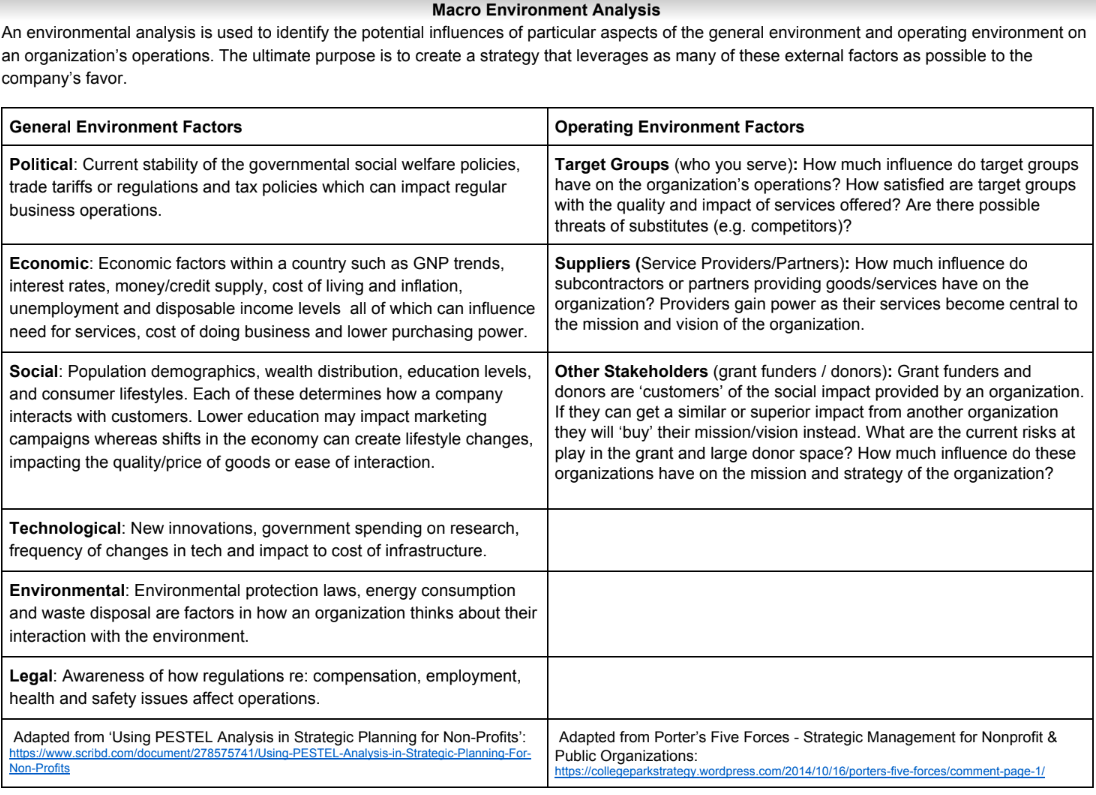
Macro Environment Analysis for Non-Profits
Macro Environment Analysis for Non-Profits: This is a reference document that we created to support a non-profit client for conducting an environmental analysis. Many of the Strategic Analysis tools we learned in ORGD 6030 we found were tailored to for-profit, more traditional organizations. This document tailors the definitions to fit the client context. To see the full size document, click here: Environmental Analysis Non-profit
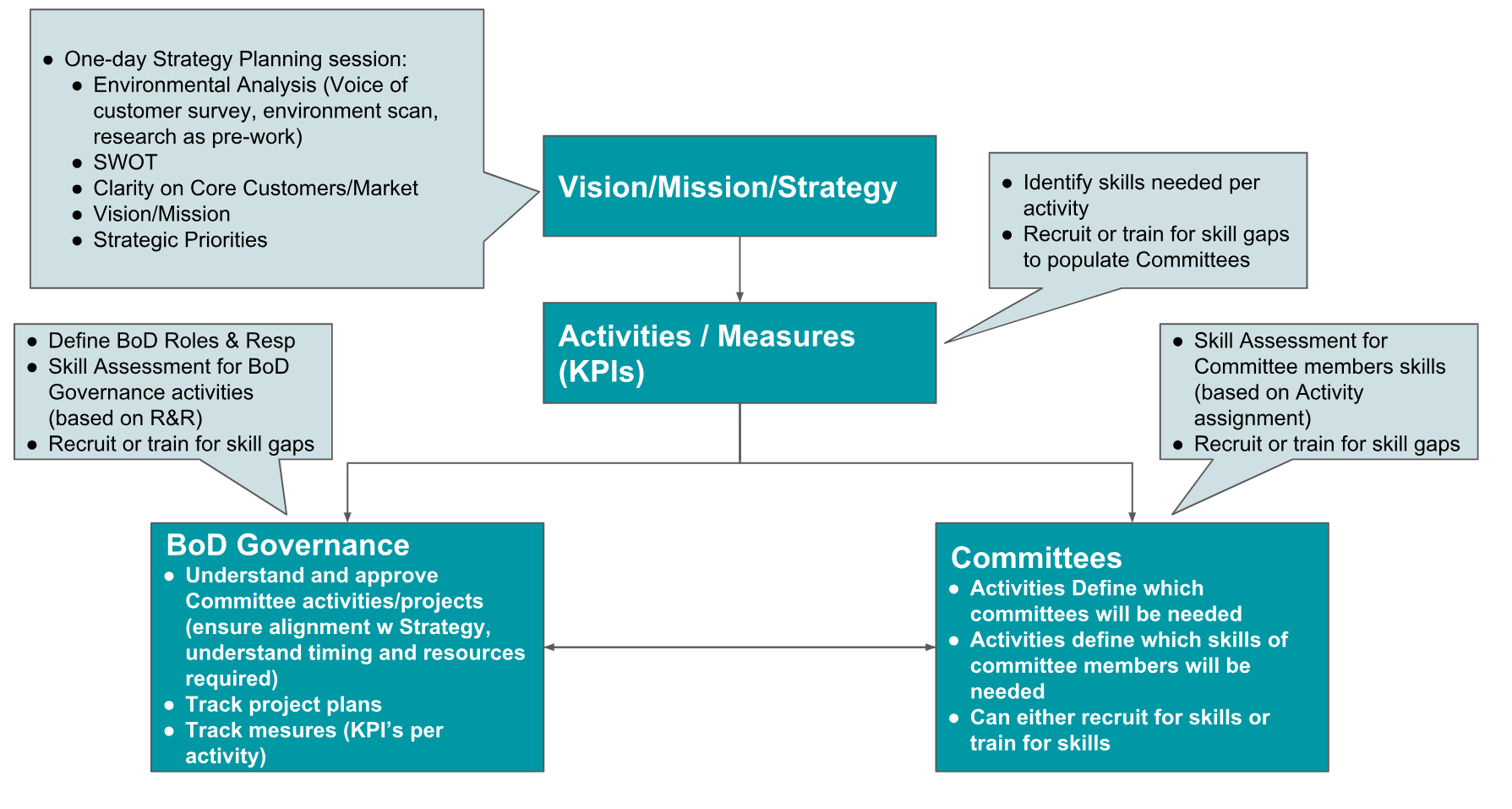
Strategic Planning Process
Strategic Planning Process: For our capstone project with our non-profit client, we are conducting a strategic planning session. This plan builds upon many of the strategic analysis tools we learned in ORGD 6030. The intended outcome of this session is to create clarity for the client and reduce the noise so that they may identify what are the most important things for them to be working on next. To see the full screen view of the Strategic Planning Process and the Agenda outline click on the embedded links.
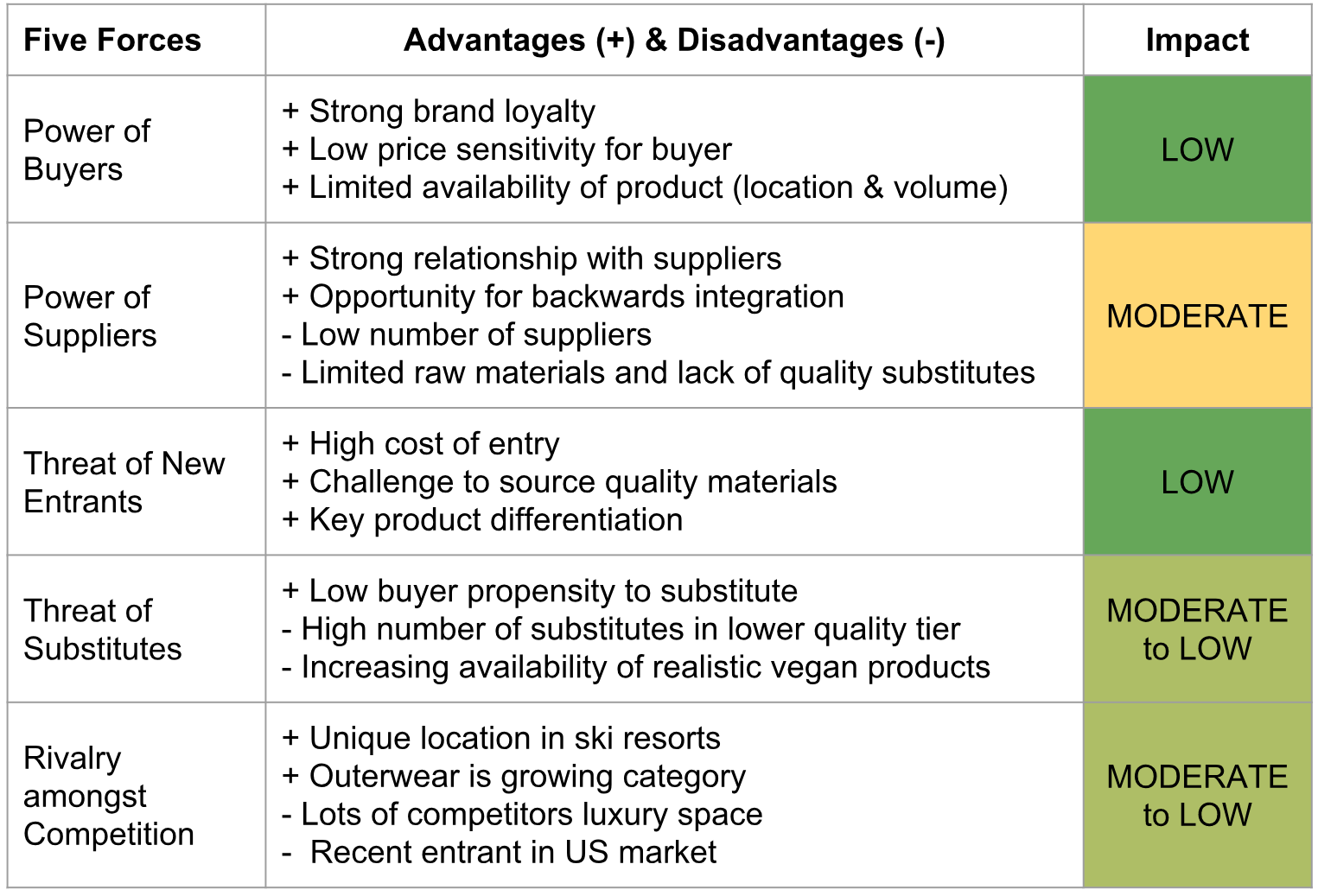
Porter’s Five Forces Analysis
Porter’s Five Forces Analysis: This is one of the tools we used to conduct a thorough strategic analysis of a high-end retail organization in ORDG 6030. In addition to this, we completed a PESTEL, SWOT, VRIO and Strategy as a Value Matrix on this organization and created recommendations for modifications to their strategy based on our analysis. Our group generated fascinating insights and recommendations based on our analysis. In order to maintain client confidentiality, I am sharing only portions of the Strategic Analysis Report.
EMOD Experience
Prior to this class, I always considered myself as having a strategic mindset which I defined as being able to think about the broad, big picture, posing future scenarios, understanding potential implications for actions, etc. However, given that I have primarily functioned in a support services role versus as an operational leader, I lacked confidence in discussing strategy with leaders and questioned whether it was my place. What this course helped me to understand is that as an OD practitioner and change agent, I absolutely have a role to play in helping to create and support an organization’s strategy and through the EMOD program I now have the tools to break-down and analyze organization strategy into digestible pieces. Additionally, prior to this course, I had managed multiple projects using different action trackers and project charters. However, the exposure to the vast array of tools that can be used depending on the size and scale of the project was eye opening. In fact, one of my key take-aways was the ‘Conditions of Satisfaction’ (Wysocki, YEAR) process that advocates for clarificaiton and re-clarification of client needs early on in the process to ensure that the solution is meeting the true need which can prevent unnecessary work or re-work later in the project.
In-Class Work: The first assignment we worked on in ORGD 6030 with Joe Matthews was a Strategic Analysis and Formulation Report that we conducted for a luxury Italian retailer and employer of a fellow cohort mate. I found the project to be fascinating, fun and at times frustrating, but I learned a tremendous amount about how to apply a variety of strategic analysis tools including: the PESTEL Macro-Environment Analysis Tool, Porter’s Five Forces looking at the power of buyers and suppliers in the operating environment, a VRIO which assesses the organization’s internal environment as to whether it is valuable, rare, intimable and organizational positioning to take advantage of those factors, unique applications of the SWOT (strengths, weaknesses, opportunities and threats) analysis and the ‘Strategy as a Values Framework’ designed by Dr. Cady, looking at the Mission, Vision, Values and Strategic Priorities of an organization and how they all interrelate. In this assignment we took a divergent approach, each selecting a particular tool that we would research in order to lead the team through the exercise when we were in class. Yet, because we also got to apply each of the tools in class, I became familiar with and felt comfortable with each of them. Despite the fact that most of us in the group had very little expertise in the industry, we still found we were able to surface areas of misalignment that if addressed would likely improve the effectiveness of the organization. We put a significant amount of work into the analysis and formulation of recommendations and I am extremely proud of the final product that we collectively created in this assignment.
The previous assignment and application of the strategic analysis tools prepared me and our team for our current capstone assignment for ORGD 6070. In our work with our non-profit client, we quickly recognized that the lack of a strategic plan is contributing to the frenetic pace and burnout that the organization leadership are experiencing. In addition to our collective team mate’s previous experience with strategic planning and team visioning sessions, we are relying on the Strategic Analysis toolkit to outline a strategic planning process for the organization that will function as a foundation for them and as an integral part of our diagnostic process, because without that, it is challenging to determine what needs and symptoms are a priority. I am so thankful for the prior experience with these tools that have given me and our team the confidence to move through this process and know full well that while we do not have control over the outcome, that we creating a process that will support the foundation if they are ready to engage.
Application Outside of Class: While I have not had the opportunity to do a full environmental analysis for my current organization, based on some of the recent strategy and structure changes we have made, I can see how the strategic analysis tools may have been used to make those decisions. In particular, I can see how the PESTEL may have been a valuable tool in assessing the impact of Political and legislative changes on the stability of the Healthcare market as well as reimbursement rates. Additionally, demographic and social factors are changing how people want to interact with HC providers and receive care which has required us to rethink our strategy on how we provide and create access to care.
Additionally, as our capstone team began preparing for our strategic planning session with our client, I ordered a strategic planning workbook that focuses on non-profit organizations, as that is an area where I would like to focus my attention post EMOD. The book provided a great foundation for our project and has increased my confidence in being able to provide strategic planning as a solution offering for future clients.